
 + 86 18721624519
Per què els usuaris comercials i industrials estan cada cop més afavorint l'energia solar a les teulades?
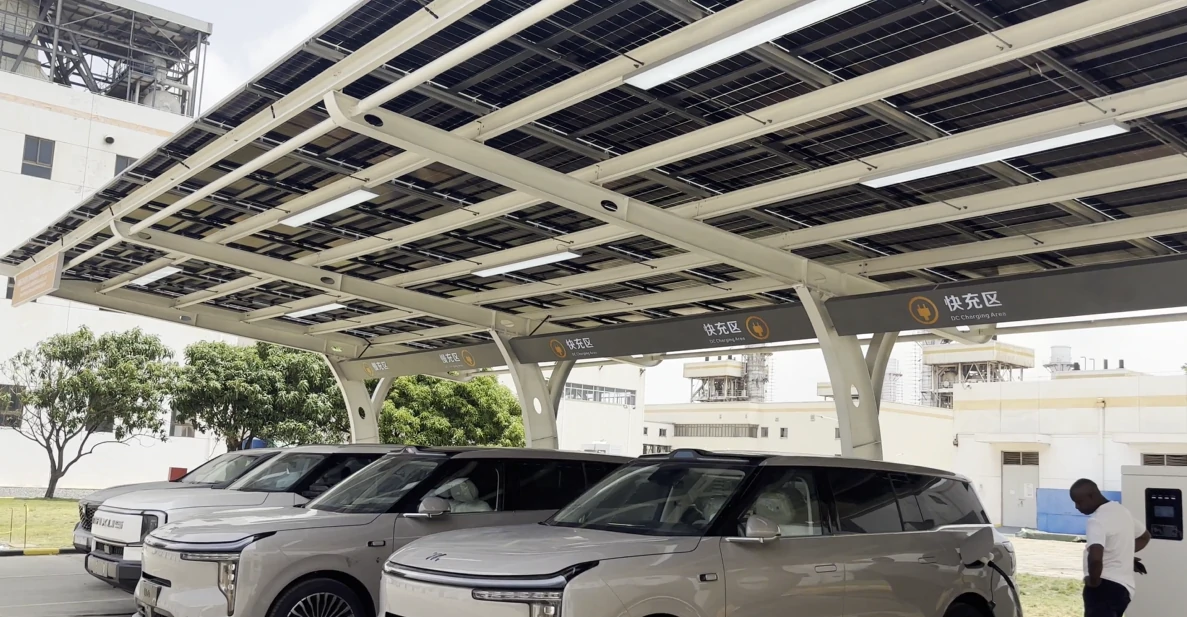
With electricity prices climbing steadily, businesses face mounting pressure on their power bills year on year. Simultaneously, under the dual carbon goals, green and low-carbon transformation has become an imperative. A growing number of enterprises are turning their attention to rooftop solar power systems - a model that not only significantly reduces electricity costs but also cuts carbon emissions and shapes a green brand image. Driven by both policy and market forces, this approach is rapidly gaining popularity.
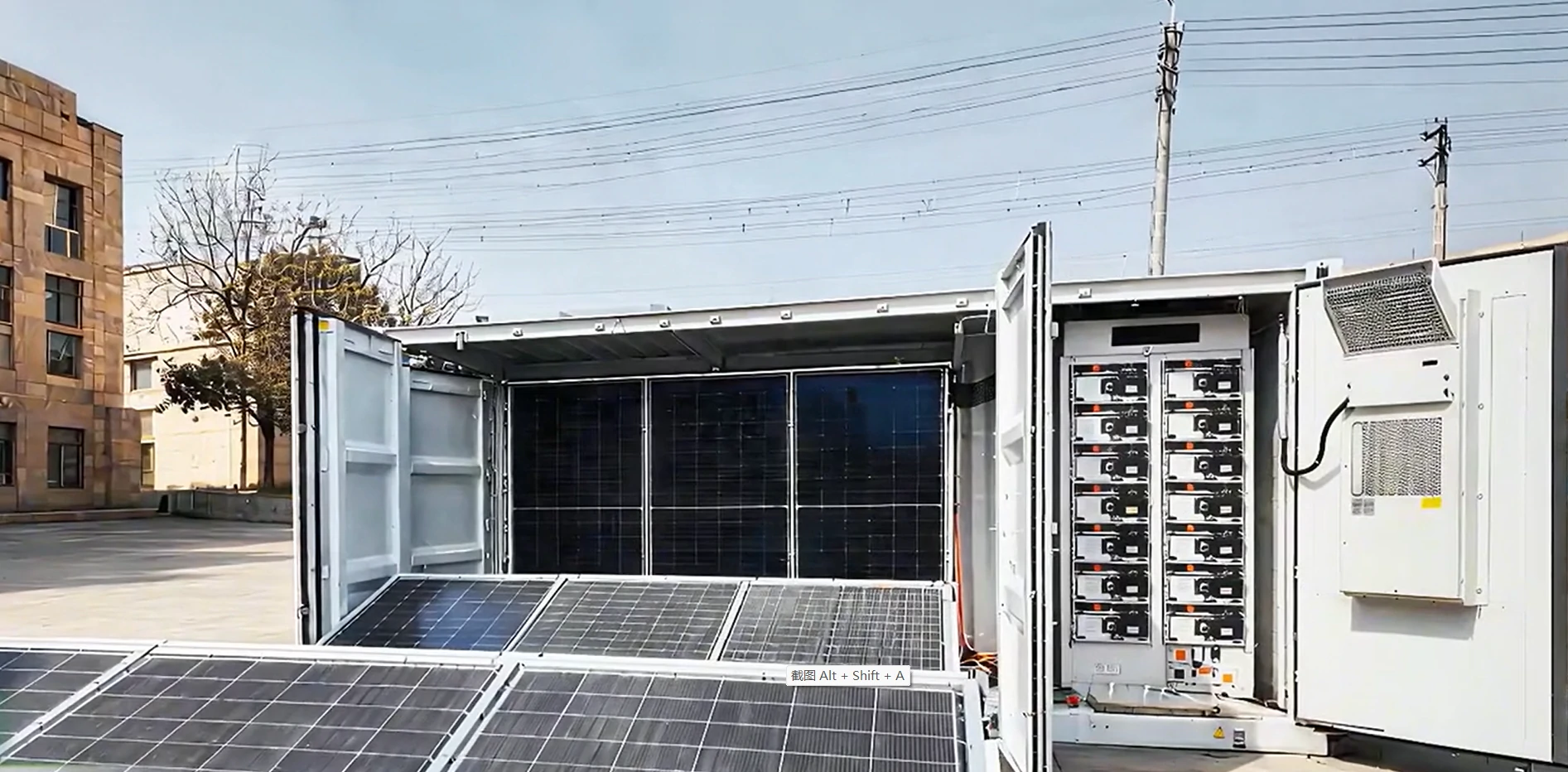
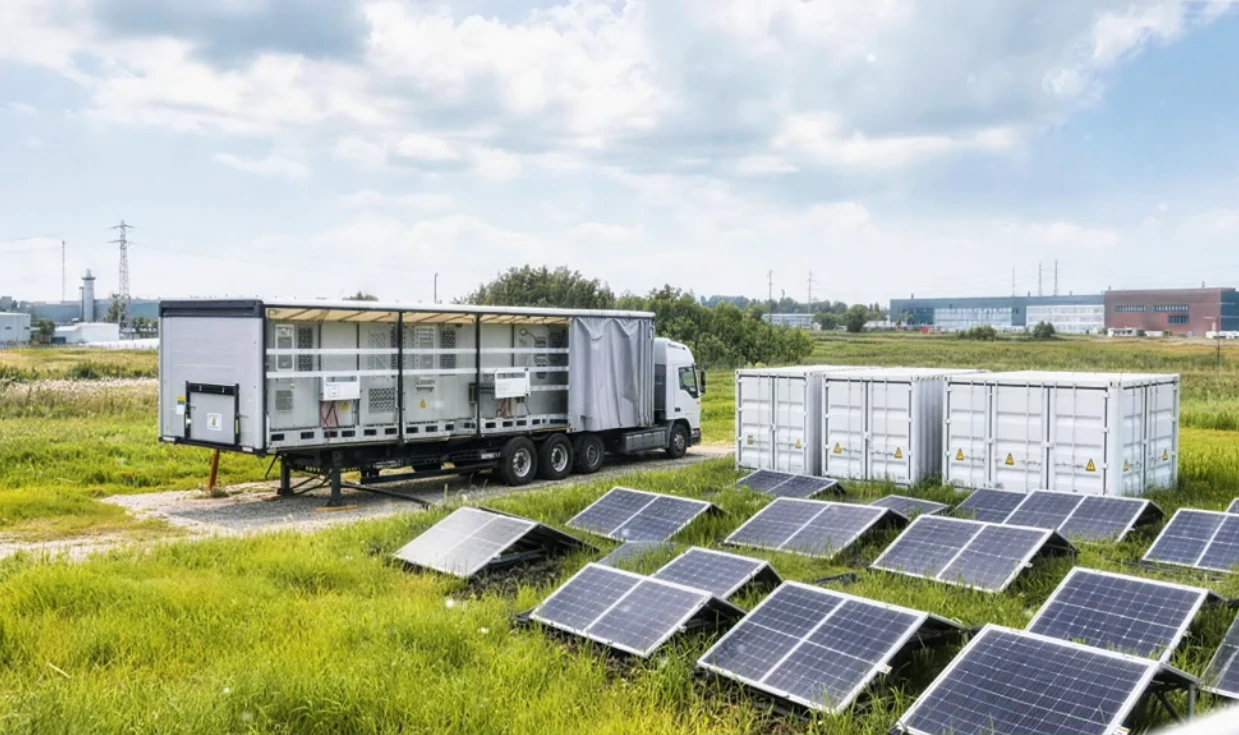
More notably, combining photovoltaics with energy storage amplifies these benefits: harnessing solar power during daylight hours and discharging stored energy at night achieves true 'self-generation for self-consumption plus surplus storage'. This model is emerging as the preferred renewable solution for factories, industrial parks, commercial complexes and similar settings.
FV a les cobertes: una eina potent per a la reducció de costos
Per a les empreses manufactureres, els costos d'electricitat solen constituir entre el 10% i el 30% de les despeses operatives. L'avantatge de la fotovoltaica a les teulades rau en la seva capacitat d'utilitzar l'espai inactiu de la teulada de la fàbrica per a la generació d'energia, reduint la dependència de la xarxa. Prenent com a exemple una fàbrica de 10,000 metres quadrats, la instal·lació d'un sistema fotovoltaic podria generar aproximadament 1 milió de kWh anualment. Amb una tarifa d'electricitat industrial de 0.8 ¥ per kWh, això es tradueix en un estalvi anual de fins a 800,000 ¥.
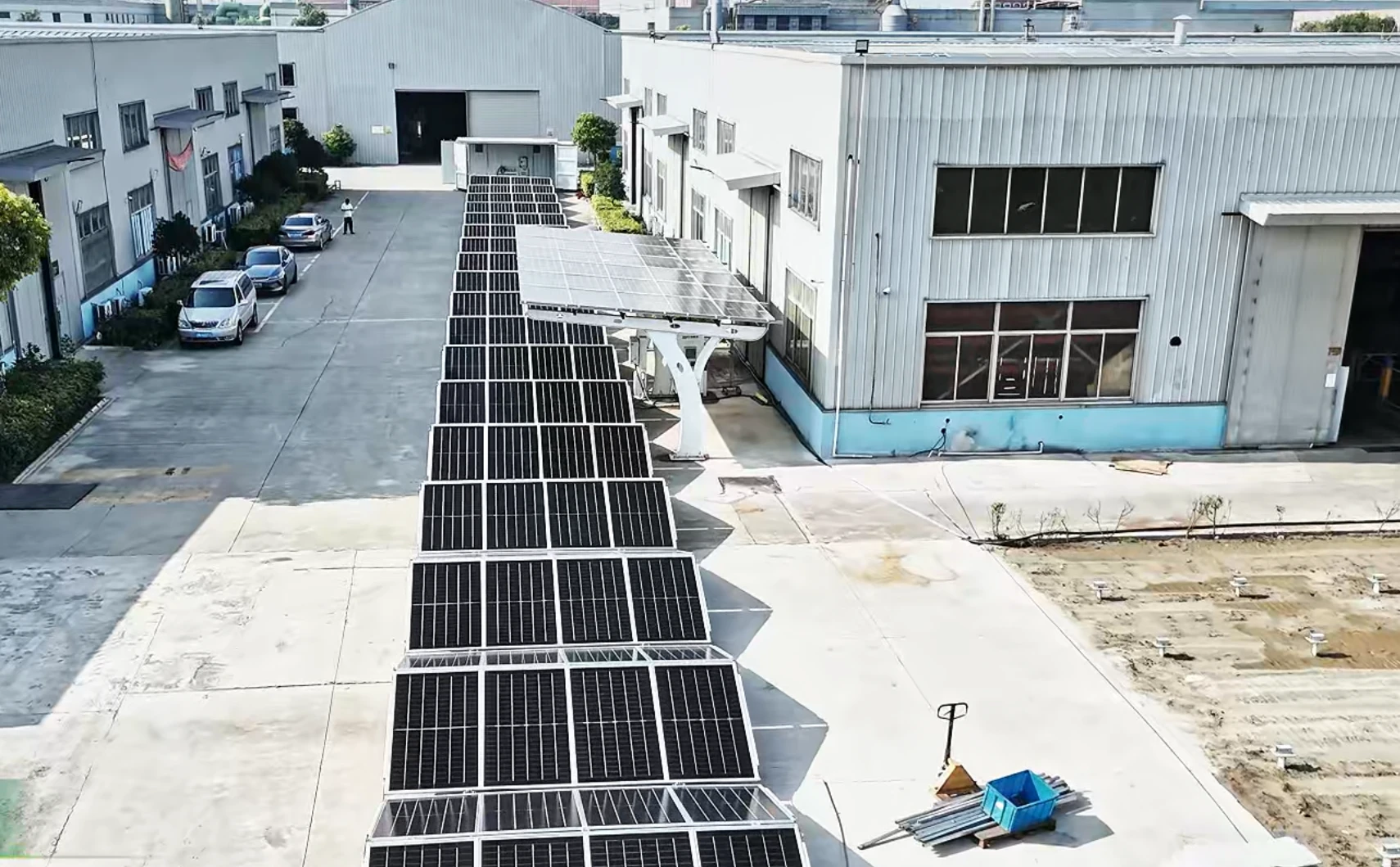
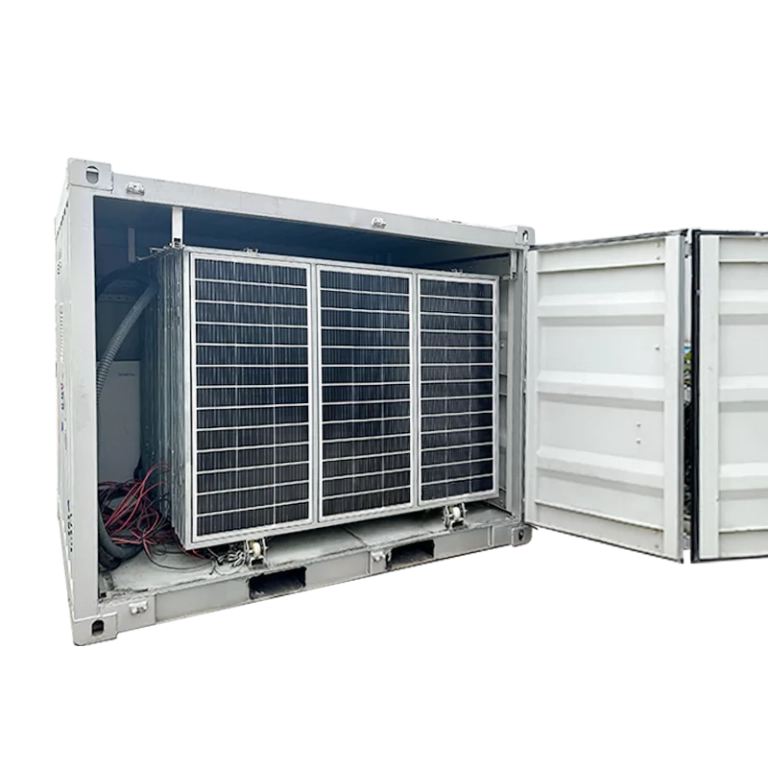
The operational principle of photovoltaic systems is straightforward: solar panels absorb sunlight to generate direct current (DC), which is then converted into alternating current (AC) by an inverter for integration into the enterprise's distribution network. Adopting a 'self-generation for self-consumption, surplus feed-in' model ensures electricity is prioritised for the enterprise's own consumption, with excess power fed back into the grid to maximise economic benefits.
Els rendiments de la inversió són pronunciats, amb beneficis substancials a llarg termini
Current investment costs for commercial rooftop PV systems range from approximately 3.5 to 4.5 yuan per watt. Taking a 500-kilowatt project as an example, the total investment amounts to roughly 1.75 to 2.25 million yuan, yielding annual electricity savings of approximately 400,000 yuan. The payback period typically spans 4 to 6 years. Given that photovoltaic systems have a lifespan exceeding 25 years, this implies that after recouping their investment, enterprises can enjoy nearly two decades of 'low-cost or even free electricity.' This long-term advantage becomes particularly pronounced against the backdrop of rising electricity prices.
Millora de l'emmagatzematge d'energia: amplificant el valor de l'energia fotovoltaica
La diversificació dels escenaris d'ús d'electricitat a les empreses significa que un únic model de generació fotovoltaica ja no pot satisfer totes les demandes, especialment per a les empreses amb càrregues nocturnes significatives. En aquests casos, la integració de sistemes d'emmagatzematge d'energia esdevé crucial per optimitzar les estructures de consum d'energia.
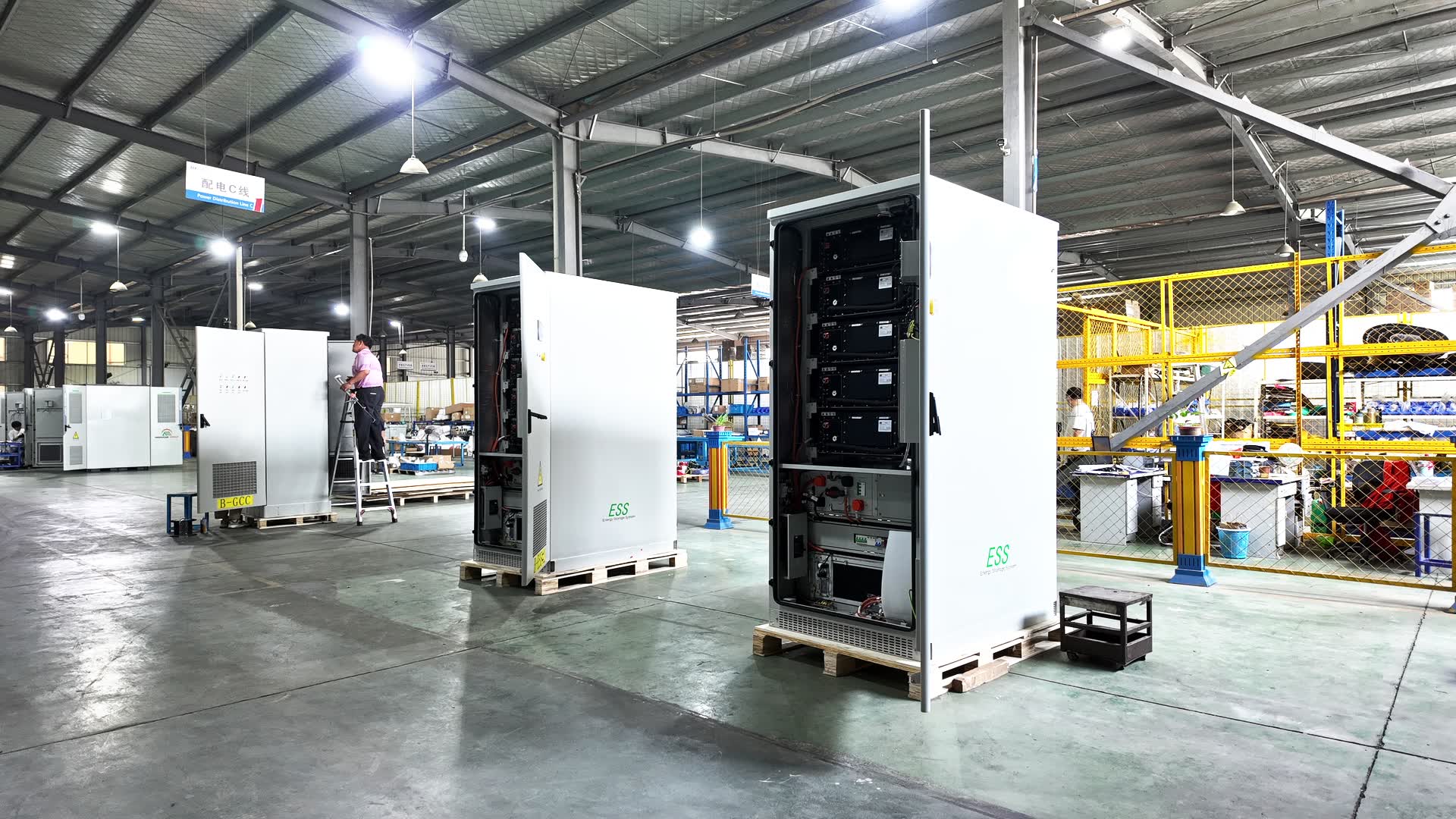
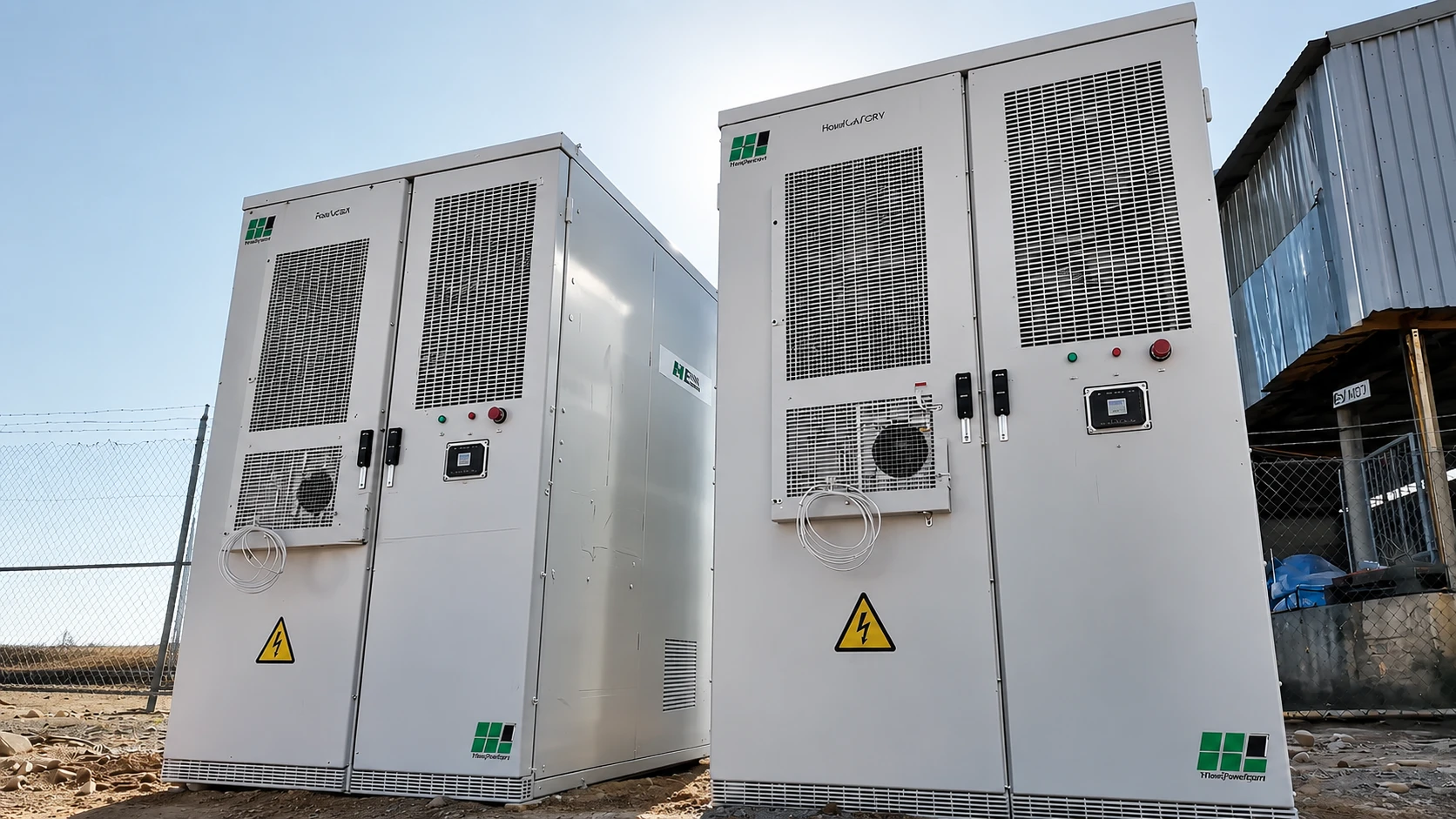
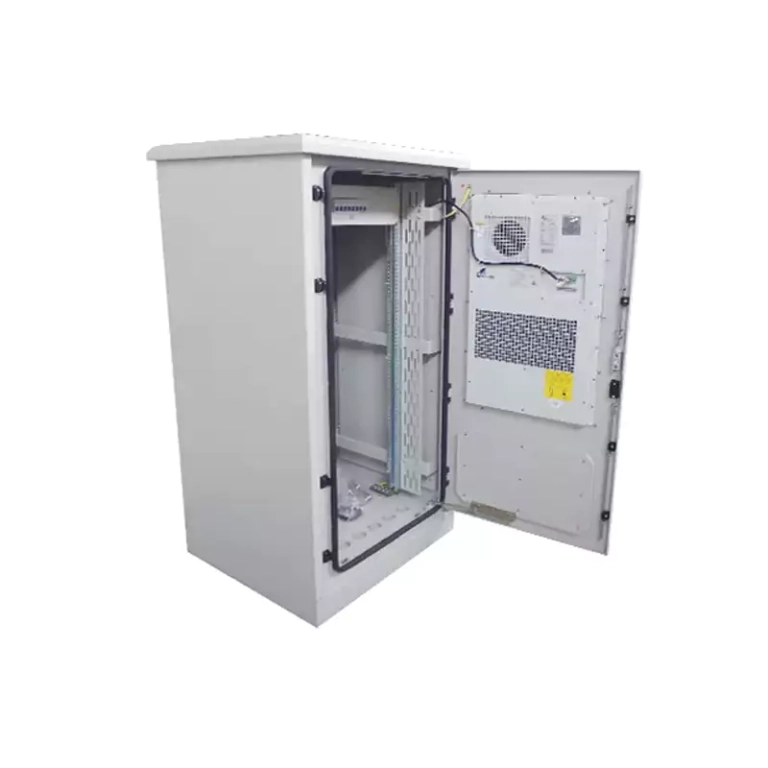
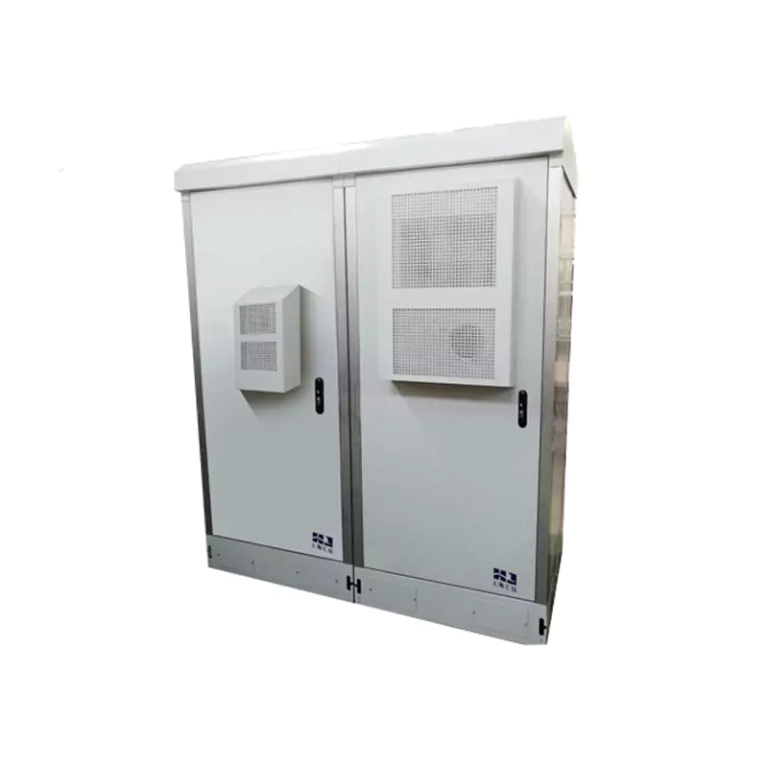
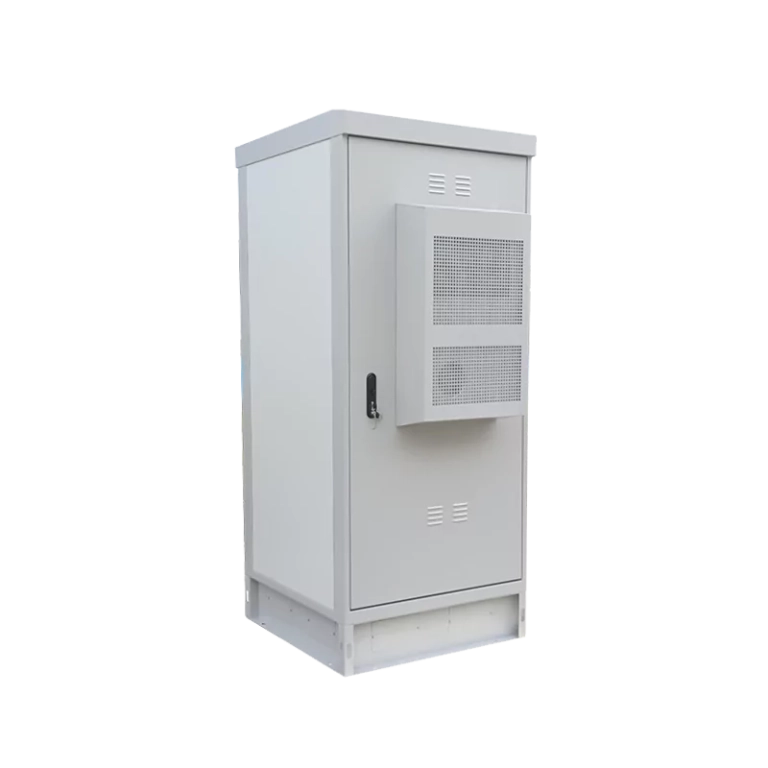
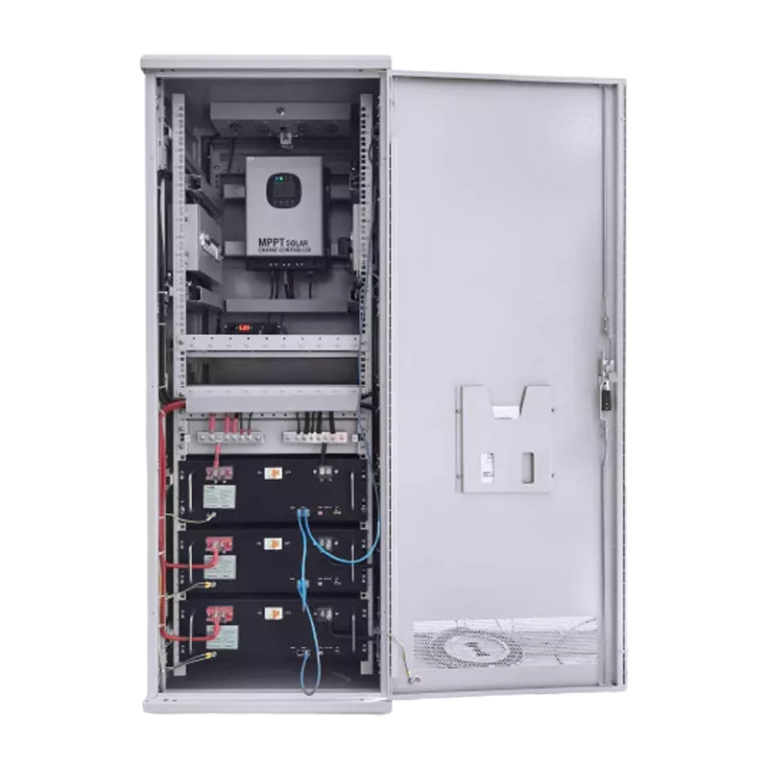
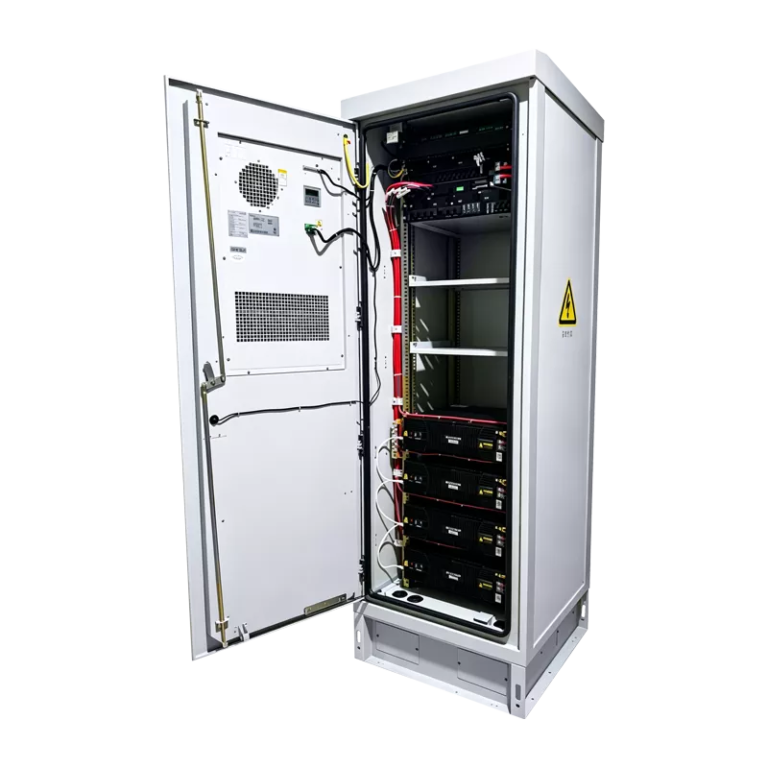
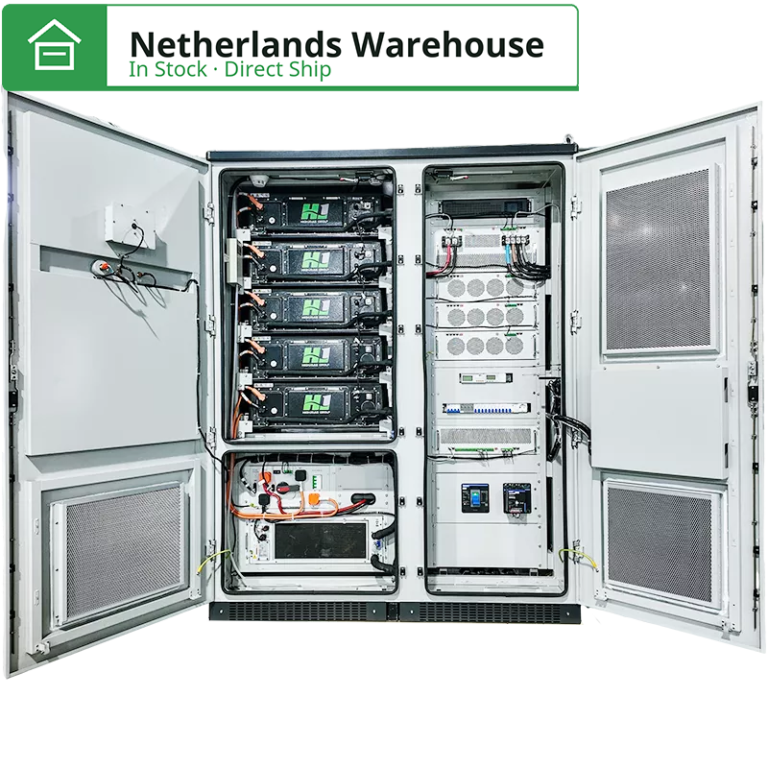
Take a project in Ganzhou, Jiangxi Province as an example: a local factory utilised the rooftops of 12 buildings to construct a distributed PV power station with a total capacity of approximately 2.8 MWp. This was complemented by a 1 MW/2.15 MWh energy storage system, incorporating 10 of our 215 kWh air-cooled energy storage cabinets. Upon completion, the project is projected to save approximately 3 million kWh of electricity annually, alleviating the enterprise's electricity pressure while achieving cost reduction and efficiency gains.
HJ Group's energy storage equipment demonstrated exceptional performance in this project. Its air-cooled storage cabinets offer advantages including high safety, intelligence, and reliability. They not only enable flexible dispatch of photovoltaic power but also effectively smooth power fluctuations, ensuring stable operation of load equipment. Furthermore, the product design prioritises installation convenience and maintenance simplicity in industrial settings, earning widespread acclaim from enterprise users.
Múltiples beneficis: estalvi d'energia, protecció del medi ambient i millora de la marca
Beyond direct electricity cost reductions, rooftop PV installations deliver additional value. For instance, photovoltaic panels provide thermal insulation, lowering factory temperatures by 3-5°C during summer months and reducing air conditioning energy consumption. Furthermore, adopting green energy helps enterprises cultivate a low-carbon, environmentally conscious brand image - a critical advantage in today's global supply chains where ESG (Environmental, Social, and Governance) considerations are increasingly paramount.

Many enterprises also integrate monitoring systems to track real-time power generation and consumption, with predictive capabilities enabling optimised energy scheduling. The incorporation of energy storage systems makes 'integrated photovoltaic-storage solutions' an ideal choice for commercial and industrial users. Chinese energy storage enterprises such as HJ Group are empowering these users to achieve dual objectives of energy transition and cost optimisation through efficient, secure, and intelligent product solutions.
Per a més informació sobre els nostres productes d'emmagatzematge d'energia, no dubteu a consultar-nos!
Darrera actualització: 2025-10-30